Structural Survey or Structural Appraisal? What You Actually Need, and What It Costs

If you have been told you need a structural survey, there is a good chance you have already been given three different answers about what that actually means.
Some of that confusion is genuine. Some of it comes from the word survey doing too many jobs at once.
So here is the honest version, including where the money goes.
The word survey is the problem
When a mortgage lender, estate agent or solicitor says survey, they usually mean something a chartered surveyor does. Most often that is a RICS Level 3 Building Survey, sometimes still called a full structural survey out of habit.
A Level 3 survey is broad. It covers the condition of the whole property: roof coverings, damp, timber, drainage, services, insulation, the lot. It is thorough, it is useful, and it is not a structural engineering assessment.
What it does not include is calculation. A surveyor will tell you a crack is present and flag it as a concern. They will not usually tell you what load path caused it, whether the structure is still adequate, or what remedial design would actually fix it.
That is a different discipline, and it needs a different professional.
Why we issue a structural appraisal instead
Our reports are titled structural appraisal, deliberately.
An appraisal is an engineering judgement on the structure itself: what is holding the building up, whether it is performing as it should, what has changed, and what needs to happen next. It is grounded in calculation, not just observation.
Calling it an appraisal also stops it being mistaken for a Level 3 survey, which is a genuinely common and occasionally expensive mix-up. We have seen buyers pay for a Level 3 survey, receive a recommendation to consult a structural engineer, and only then discover they needed a second report all along.
Knowing which one you need at the start usually saves a fee, not just time.
Not sure which one your situation calls for? Send us a short description of the issue and a photo. We will tell you honestly whether you need us, a surveyor, or neither.
Non-intrusive and intrusive appraisals
Most appraisals begin non-intrusively. The engineer inspects what can be seen and measured without cutting into anything, supported where useful by tools such as thermal imaging, moisture measurement or a metal detector to locate reinforcement.
This is quicker, cheaper, and causes no damage. For a large share of cases it is entirely sufficient.
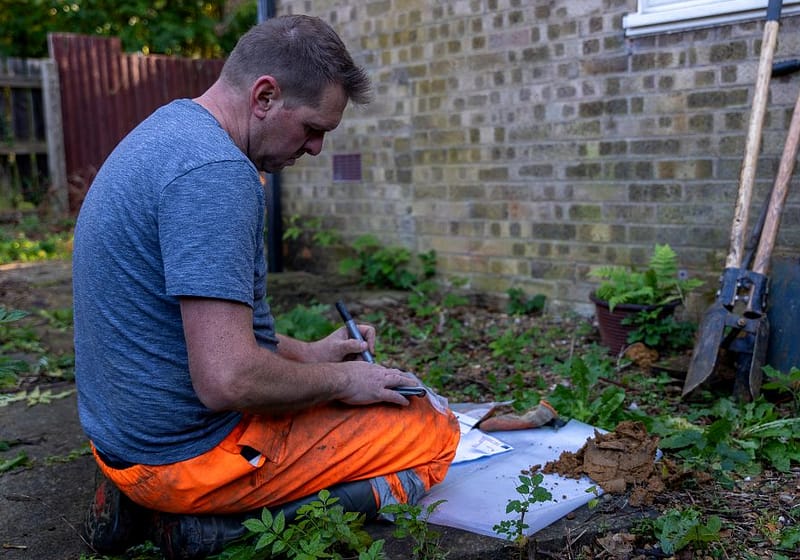
An intrusive appraisal goes further. That can mean opening up a section of wall, ceiling or floor, drilling or probing to check the condition of concealed material, digging trial pits to expose foundations, or in some cases load testing an element directly.
It costs more, and it needs making good afterwards. But when the critical structure is hidden, it is the only way to reach a firm conclusion rather than a qualified one.
A point we will always be direct about: intrusive work should be recommended because the structure genuinely requires it, not added as standard. If we suggest opening something up, we will explain precisely what question it answers.
What actually determines the cost
Anyone quoting a firm figure before asking about your property is guessing. These are the factors that genuinely move the number:
● Scope — a single defect such as one crack is a smaller piece of work than a whole-building assessment
● Property size, age and complexity — a period property with decades of undocumented alterations takes longer to assess than a straightforward modern semi
● Access — structure hidden behind finishes, boarded lofts or fitted floors adds time
● Intrusive work — trial pits, opening up and making good are separate costs on top of the appraisal itself
● Who the report is for — an appraisal for an insurer, lender or solicitor often needs a more formal structure than one for your own peace of mind
● Urgency — a report needed inside a few days ahead of an exchange deadline is a different job to one booked for next month
● Location — we cover Peterborough and London from two offices, which keeps travel time down across most of the East of England, Hertfordshire and Greater London
PLACEHOLDER — Truce Label note, remove before publishing: insert Ora Labora’s current fee structure here. This section is deliberately written without figures because the pricing structure is being revised. Once the bands are confirmed, they drop straight into this section without altering the surrounding copy.
What you get in an Ora Labora appraisal
Every appraisal is carried out by a chartered engineer and backed by professional indemnity cover of up to £5 million, which matters when the report is going to a lender, an insurer or a court.
The report sets out what was inspected, what was found, the engineering reasoning behind the conclusion, and clear recommendations. Where remedial work is needed, we say what and why. Where it is not, we say that too, in writing.
That second one matters more than people expect. A significant proportion of the cracking we are called out to look at turns out to be thermal movement or plaster shrinkage rather than structural damage. Being told plainly that your building is fine is a legitimate and valuable outcome.
Booking an appraisal usually starts with a ten minute conversation about the property and the concern. Call us, or send a photo through, and we will give you a realistic scope and fee rather than a generic estimate.
When you need one, and when you do not
An appraisal is usually worth it if a lender or insurer has asked for one, if cracking has appeared or widened recently, if you are buying a property where a surveyor has flagged a structural concern, or if you are planning alterations to a building you do not fully understand.
It is usually not necessary for straightforward cosmetic decoration, or where a Level 3 survey has already answered your question fully. We would rather tell you that upfront than take the instruction.
Frequently asked questions
Is a structural appraisal the same as a RICS Level 3 Building Survey?
No. A Level 3 survey is a broad condition report from a chartered surveyor. A structural appraisal is an engineering assessment of the structure itself, based on calculation, carried out by a structural engineer.
Will my mortgage lender accept a structural appraisal?
Generally yes, and in many cases it is specifically what they have asked for after a valuer or surveyor flagged a structural concern. It is always worth confirming the format your lender requires before instructing.
Do I need an intrusive appraisal?
Often not. Most appraisals start non-intrusively, and intrusive work is only recommended where the structure cannot be properly assessed any other way.
Can you carry out an appraisal outside Peterborough and London?
Yes. Our two offices cover most of the East of England, Hertfordshire and Greater London comfortably, and we work further afield where the project warrants it.
Have a question about your own project?
Send us a drawing or a photo and an engineer will tell you what is possible.
Book a consultation